
In today’s world, technology has become an essential part of everyday life. People use smartphones to communicate, social media to share experiences, websites to find information, and digital platforms to work, learn, shop, and manage their finances. Although these technologies offer convenience and new opportunities, they also raise an important question: Can privacy exist in the digital age?
The answer is yes, but achieving privacy today requires awareness, responsible technology use, and cooperation between individuals, businesses, and governments. Complete privacy can be difficult to guarantee when using online services, but people can take meaningful steps to protect their personal information and maintain greater control over their digital lives.
Every online activity can leave some form of digital trace. Websites may collect browsing information, applications may request access to personal data, and social media platforms may use information to personalise content and advertising. If this information is not handled responsibly, it can expose people to identity theft, unwanted tracking, fraud, and other privacy risks.
This article explains whether privacy is still possible in the digital age, the challenges people face, the role of technology, and practical ways to protect personal information online.
What Does Privacy Mean in the Digital Age?
Privacy in the digital age means having reasonable control over how your personal information is collected, stored, used, shared, and accessed through digital technologies.
Personal information includes your name, phone number, email address, photographs, location, financial records, private messages, browsing history, and other details that can identify you or reveal information about your life.
For example, when you use a social media application, you may share photographs, comments, and personal opinions. The platform may also collect information about how you use its features. Depending on the service and your settings, some information may be shared with other organisations or used to personalise advertisements.
Digital privacy does not mean that you must avoid the internet or refuse to share all personal information. Instead, it means understanding what you share, knowing how services use your information, and making informed decisions about the risks.
Can Privacy Really Exist in the Digital Age?
Yes, privacy can exist in the digital age, but it is not always automatic.
Modern technology allows organisations to collect and analyse large amounts of information. Smartphones can record location when permissions are enabled, websites can use cookies and other technologies to remember activity, and online services can build profiles based on user behaviour.
These practices can make privacy more difficult, especially when people do not understand what information is being collected.
However, privacy is still possible through a combination of personal choices, technical safeguards, responsible business practices, and effective laws.
For example, a person can limit application permissions, use strong passwords, enable multifactor authentication, avoid unnecessary social media posts, and choose services with clear privacy policies.
These actions cannot eliminate every privacy risk, but they can reduce unnecessary exposure.
The most realistic goal is not to become completely invisible online. It is to maintain meaningful control over personal information and reduce the amount of data that can be collected or misused.
1. Why Is Privacy Difficult to Maintain Online?
Several factors make digital privacy challenging.
Extensive Data Collection
Many websites and applications collect information to provide services, improve performance, personalise content, or measure advertising results.
Some data collection is necessary. For example, a delivery service needs a delivery address to bring a package to your home. However, other information may not be essential for the service you are using.
The challenge is understanding which information is necessary and which collection practices are excessive.
Social Media Sharing
Social media makes it easy to share photographs, locations, opinions, and daily activities. While sharing can help people stay connected, public posts may reveal more information than intended.
For example, someone who regularly posts travel plans and photographs of their home may unintentionally disclose information about their routines or when their property is empty.
Even deleted content may remain in screenshots, downloaded copies, or other records.
Data Breaches
Businesses and online platforms store large amounts of personal information. If their systems are compromised, attackers may gain access to customer details.
A data breach can expose email addresses, contact information, passwords, or other sensitive records. Individuals cannot prevent every breach, but they can reduce potential harm by using unique passwords and enabling multifactor authentication.
Limited Understanding of Privacy Policies
Privacy policies can be long and difficult to understand. As a result, users may accept terms without knowing how their information will be used or shared.
Clearer explanations and meaningful privacy controls can help people make better decisions.
2. How Does Technology Affect Digital Privacy?
Technology can create privacy risks, but it can also provide tools for protecting personal information.
Smartphones and Mobile Applications
Smartphones contain photographs, contacts, messages, location information, and access to numerous online accounts.
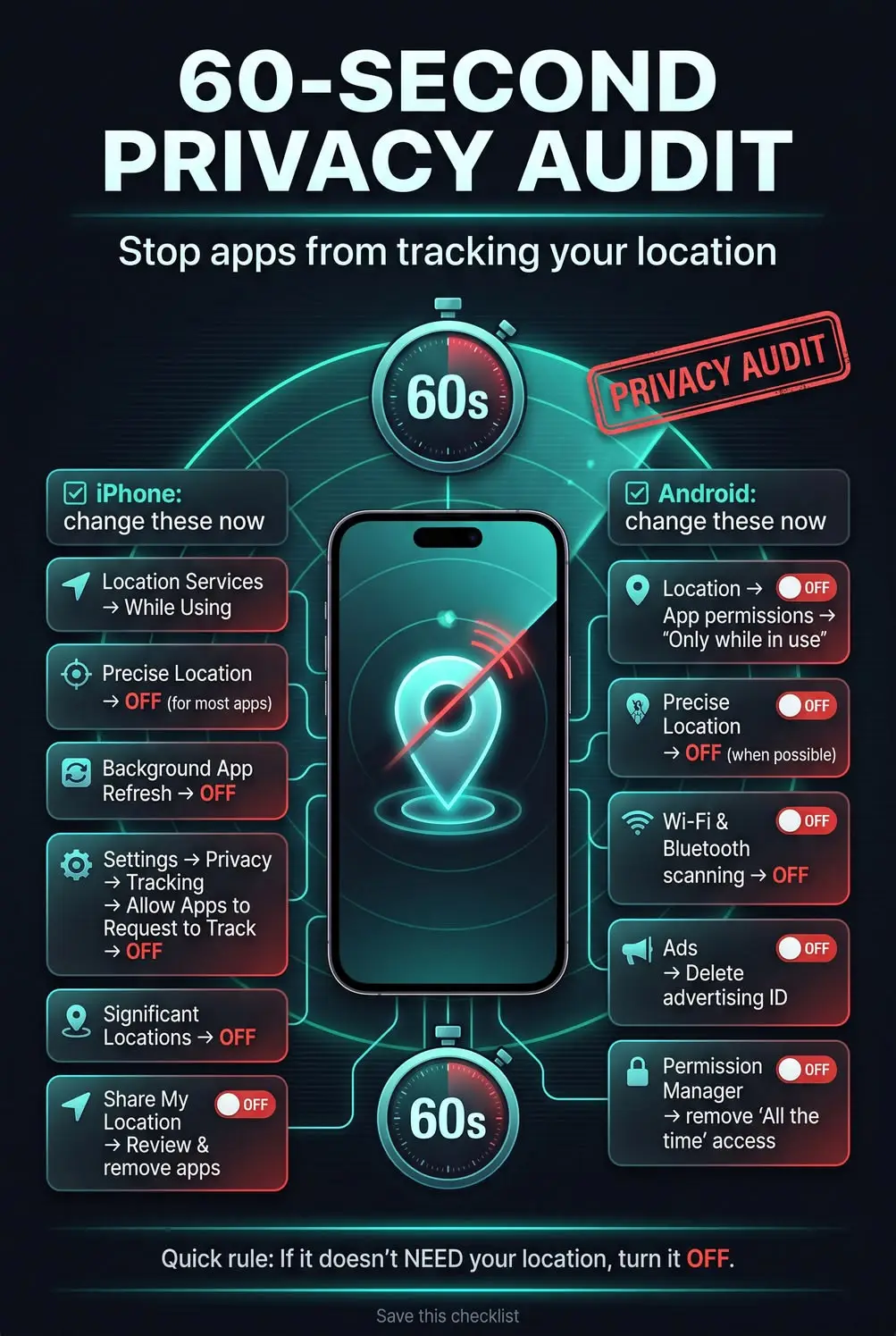
Applications may request permissions for the camera, microphone, contacts, or location. Some permissions are necessary for the application to function, but others may not be.
Reviewing permissions and disabling unnecessary access can help reduce the amount of information an application can collect.
Artificial Intelligence
Artificial intelligence can analyse large datasets, identify patterns, and generate predictions about people’s behaviour.
These capabilities can improve services, support medical research, and make digital tools more useful. However, they can also raise concerns about profiling, automated decisions, and the use of personal information without adequate transparency.
For example, an organisation might use data-driven systems to predict customer interests. If the information is inaccurate or used without appropriate safeguards, the resulting profile could affect how a person is treated.
Responsible AI development requires attention to data protection, transparency, fairness, and appropriate human oversight.
Cookies and Online Tracking
Cookies and similar technologies can help websites remember preferences, maintain login sessions, and understand how visitors use their services.
Some tracking technologies are also used for advertising and analytics.
People can manage certain forms of tracking through browser settings, cookie controls, and privacy preferences. However, disabling cookies does not eliminate every form of online tracking.
Cloud Storage
Cloud services allow people to store photographs, documents, and other files online. This makes information accessible across devices and helps prevent data loss.
However, privacy depends on factors such as account security, access permissions, provider practices, and the type of encryption used.
Using strong authentication and carefully reviewing sharing settings can help protect stored information.
3. Can You Protect Your Privacy Without Stopping Internet Use?
Absolutely. You can use the internet while taking practical steps to reduce unnecessary data exposure.
The key is to make privacy part of your everyday digital habits.
For example, you can continue using social media while limiting who can see your posts. You can shop online while choosing reputable websites and protecting your payment information. You can use mobile applications while restricting unnecessary permissions.
Consider someone who regularly uses online banking, email, and social media. Instead of abandoning these services, they could use unique passwords, enable multifactor authentication, keep their phone updated, and avoid posting sensitive personal information publicly.
These measures allow the person to benefit from technology while reducing avoidable risks.
Privacy protection is not about avoiding every digital service. It is about using services carefully and understanding the information you share.
4. The Role of VPNs in Digital Privacy
A Virtual Private Network, commonly called a VPN, can help protect certain aspects of your online privacy.
A VPN creates an encrypted connection between your device and a VPN server. This can make it harder for people monitoring the local network to inspect the traffic carried through that connection. Websites generally see the VPN server’s public IP address instead of your original public IP address.
VPNs can be particularly useful when using public Wi-Fi or when you want to reduce the exposure of your traffic to the local network.
However, a VPN does not make you completely anonymous.
Websites may still identify you through account logins, cookies, browser fingerprinting, and information you provide directly. Your VPN provider may also have access to some connection information, depending on its systems and policies.
A VPN is therefore one privacy tool among many, not a complete solution.
5. How Encryption Helps Protect Privacy
Encryption is an important technology for protecting digital information.
It transforms readable information into a form that cannot be understood without the appropriate key. Properly implemented encryption can help protect data while it is being transmitted or stored.
For example, HTTPS encrypts the connection between your browser and a website. This helps protect information exchanged through that connection from being read or altered by someone monitoring the network.
End-to-end encryption in supported messaging services can provide additional protection by allowing only the intended participants’ devices to access message contents, subject to the service’s implementation and the security of those devices.
Encryption does not protect every part of a digital interaction. A service may still collect metadata, such as when a message was sent or which accounts communicated. Information may also be exposed if a device is compromised or someone gains access to an unlocked account.
Even with these limitations, encryption remains an essential part of modern privacy protection.
6. Why Businesses and Governments Have a Responsibility to Protect Privacy
Individuals cannot protect their privacy alone. Businesses and governments also influence how personal information is collected, stored, shared, and used.
Businesses should collect only the information they genuinely need, protect it with appropriate security measures, explain their practices clearly, and provide meaningful controls where appropriate.
For example, an online shopping company should protect customer records, restrict employee access to sensitive information, and avoid retaining personal data longer than necessary.
Governments can establish data-protection laws, investigate serious violations, and provide mechanisms for people to exercise their rights.
Privacy laws differ across countries. Depending on the jurisdiction, individuals may have rights relating to access, correction, deletion, objection, or other forms of control over personal information.
Effective privacy protection requires organisations to take responsibility for the information they hold rather than placing the entire burden on users.
7. Practical Ways to Maintain Privacy in the Digital Age
Although no method guarantees complete privacy, the following practices can help you protect your personal information.
Use Strong, Unique Passwords
Avoid reusing the same password across multiple accounts. If one service suffers a breach, unique passwords help prevent the stolen password from being used to access your other accounts.
A reputable password manager can help you create and store strong passwords.
Enable Multifactor Authentication
Multifactor authentication adds an additional verification step when you sign in. Depending on the service, this may involve an authenticator application, a security key, or another method.
It can reduce the risk of account compromise if your password is stolen.
Review Application Permissions
Check which applications can access your location, camera, microphone, contacts, and photographs.
Disable permissions that are not needed for an application’s main function.
Limit What You Share on Social Media
Avoid publicly posting sensitive information, including financial details, identification documents, passwords, or information that reveals your daily routine.
Review your audience settings and remember that other people may copy or share your posts.
Keep Your Devices Updated
Install operating system and application updates from official sources. Updates often include fixes for security vulnerabilities that attackers could otherwise exploit.
Recognise Suspicious Messages
Be cautious when a message pressures you to act immediately, click an unfamiliar link, or disclose sensitive information.
If a message appears to come from your bank or another important organisation, contact it through its official website or telephone number rather than relying on the message’s links.
Choose Services Carefully
Before using a service to store sensitive information, consider its reputation, security features, privacy policy, and available account controls.
Do not assume that a service is trustworthy simply because it is popular or free.
Delete Accounts You No Longer Use
Unused accounts may contain personal information that you no longer need to share. Where appropriate, close accounts you no longer use and remove unnecessary information.
Deleting an account does not always erase every record immediately, because legal obligations, backups, or retention policies may apply. Check the provider’s deletion policy if this matters to you.
8. Will Privacy Become More Difficult in the Future?
Digital privacy will likely remain an important challenge as technology develops.
Artificial intelligence, connected devices, smart homes, biometric identification, and increasingly personalised services may create new opportunities for data collection.
For example, a smart home device may process information about household activity, while a wearable device may collect health and activity data. These technologies can be useful, but they also require careful handling of sensitive information.
At the same time, privacy-enhancing technologies, stronger security practices, clearer regulations, and better user controls can improve protection.
The future of digital privacy will depend on how individuals, technology companies, policymakers, and communities respond to these changes.
Privacy does not have to disappear as technology advances. However, protecting it will require continuous attention and responsible decisions.
Frequently Asked Questions (FAQs)
1. Can privacy really exist in the digital age?
Yes. Although complete privacy is difficult to guarantee online, people can maintain meaningful privacy by limiting data sharing, securing their accounts, choosing trustworthy services, and using appropriate privacy settings.
2. Why is online privacy important?
Online privacy helps protect personal information, reduce the risk of identity theft, support freedom of expression, and give people greater control over how their data is used.
3. Does using a VPN guarantee privacy?
No. A VPN encrypts traffic between your device and the VPN server and can mask your public IP address from websites. However, it does not prevent every type of tracking or guarantee anonymity.
4. Can social media users maintain privacy?
Yes. Users can limit their audience, avoid sharing sensitive information, review application permissions, and control which personal details appear on their profiles. However, content shared online can still be copied or redistributed.
5. What is the biggest threat to digital privacy?
There is no single biggest threat for everyone. Common risks include data breaches, phishing, excessive data collection, weak account security, identity theft, and the misuse of personal information.
6. Who is responsible for protecting digital privacy?
Individuals, businesses, governments, and technology providers all have responsibilities. Individuals can make informed choices, while organisations should handle personal information responsibly and comply with applicable laws.
Conclusion
Can privacy exist in the digital age? Yes, but it requires awareness, effort, and responsibility.
Technology has made communication, learning, shopping, banking, and working more convenient. At the same time, it has created new ways for personal information to be collected, analysed, shared, and exposed.
Although no single tool can guarantee complete privacy, individuals can reduce risks through strong passwords, multifactor authentication, encryption, careful social media use, and regular reviews of application permissions.
Businesses and governments also have important roles to play by protecting personal information, explaining data practices clearly, and enforcing appropriate safeguards.
Ultimately, digital privacy is not about rejecting technology. It is about ensuring that people can benefit from technology without giving up unnecessary control over their personal information.
Privacy can exist in the digital age when people make informed choices and organisations treat personal information with the care and respect it deserves.
SEO Elements
SEO Title: Can Privacy Exist in the Digital Age? A Complete Guide
Meta Description: Discover whether privacy is possible in the digital age, the biggest online privacy challenges, and practical ways to protect your personal information.
Focus Keyword: Can privacy exist in the digital age?
Related Keywords:
- Digital privacy in the modern world
- Importance of online privacy
- How to protect privacy online
- Digital privacy challenges
- Online data protection
- Privacy and technology
- Personal information security
Suggested URL Slug: can-privacy-exist-in-the-digital-age